The Lemur — Field Guide
Accurately identify and describe the Lemur archetype across five dimensions.
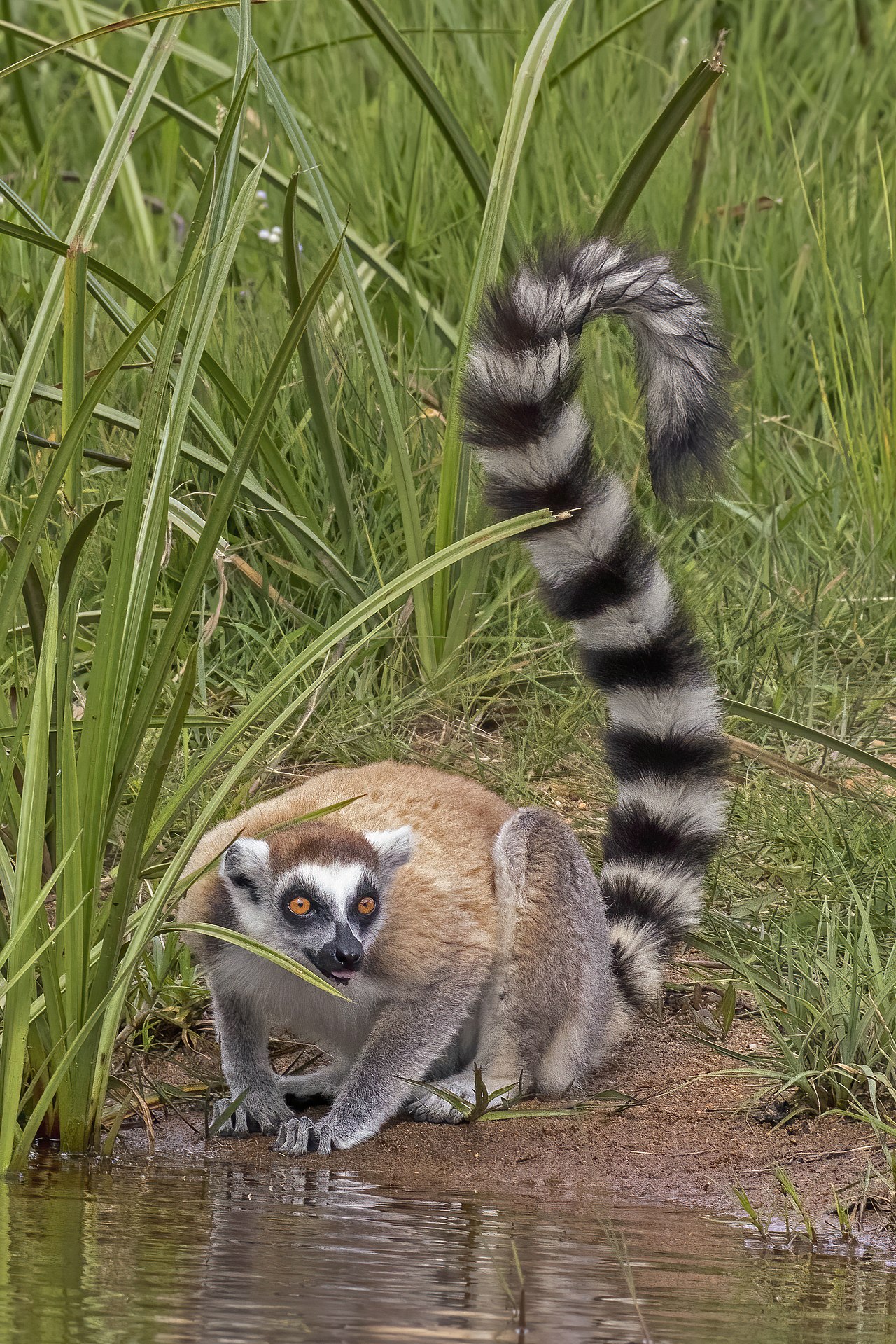
The Lemur is the team's connector. The story-teller. The one who reads the room before anyone has spoken.
Core Needs
Lemurs need influence and human connection. They're energized by people, collaboration, and the sense that the work they're doing actually matters to someone. Lemurs thrive when they feel seen, included, and appreciated. When they're isolated, excluded from conversations, or operating in a culture of purely transactional relationships — all business, no human — they don't just disengage. They gradually disappear from the work in a way that's hard to point to but impossible to miss. They'll also be right alongside the Lions in working around you, rather than with you.
Communication Style
Warm, expressive, and socially intelligent. Lemurs are excellent at reading a room and often know what people are feeling before anyone has said it out loud. They communicate with energy and enthusiasm, and they build relationships quickly and genuinely. In conflict, their emotions quickly engage, which means they'll have a bias for getting louder and more demonstrative to prove their point to you.
Natural Pace
Fast moving and social. Lemurs want to excite people with their creativity and passion, particularly in decisions. They are natural storytellers and lead with context rather than detail. This indirect approach can influence a lengthened timeline but dramatically increases buy-in. They thrive in environments with frequent interaction and tend to do their best thinking in dialogue rather than in isolation.
Key Strengths
- Exceptional relationship builders — with energy that attracts many
- Creative problem solvers, with an innate ability to think outside the box
- Energizes and engages teams, even in low-morale moments
- Natural facilitators — at ease in front of groups, excellent at bringing people together
Distress Signals
When a Lemur is under sustained pressure, watch for:
- Overpromising — saying yes to more than they can deliver because saying no feels like disconnection
- Taking feedback personally, especially about relationships or their role on the team
- Avoiding necessary difficult conversations — preferring to protect positivity, even at the cost of solving the problem at hand
- Becoming emotionally reactive or, in extended stress, gossip-prone
A Lemur in distress doesn't go cold. They get emotional and try harder. They'll take as many shots as possible if they believe that the landing matters — until they burn out or something breaks.
A Lemur in distress doesn't go cold. They get emotional and try harder.