The Elephant — Field Guide
Accurately identify and describe the Elephant archetype across five dimensions.
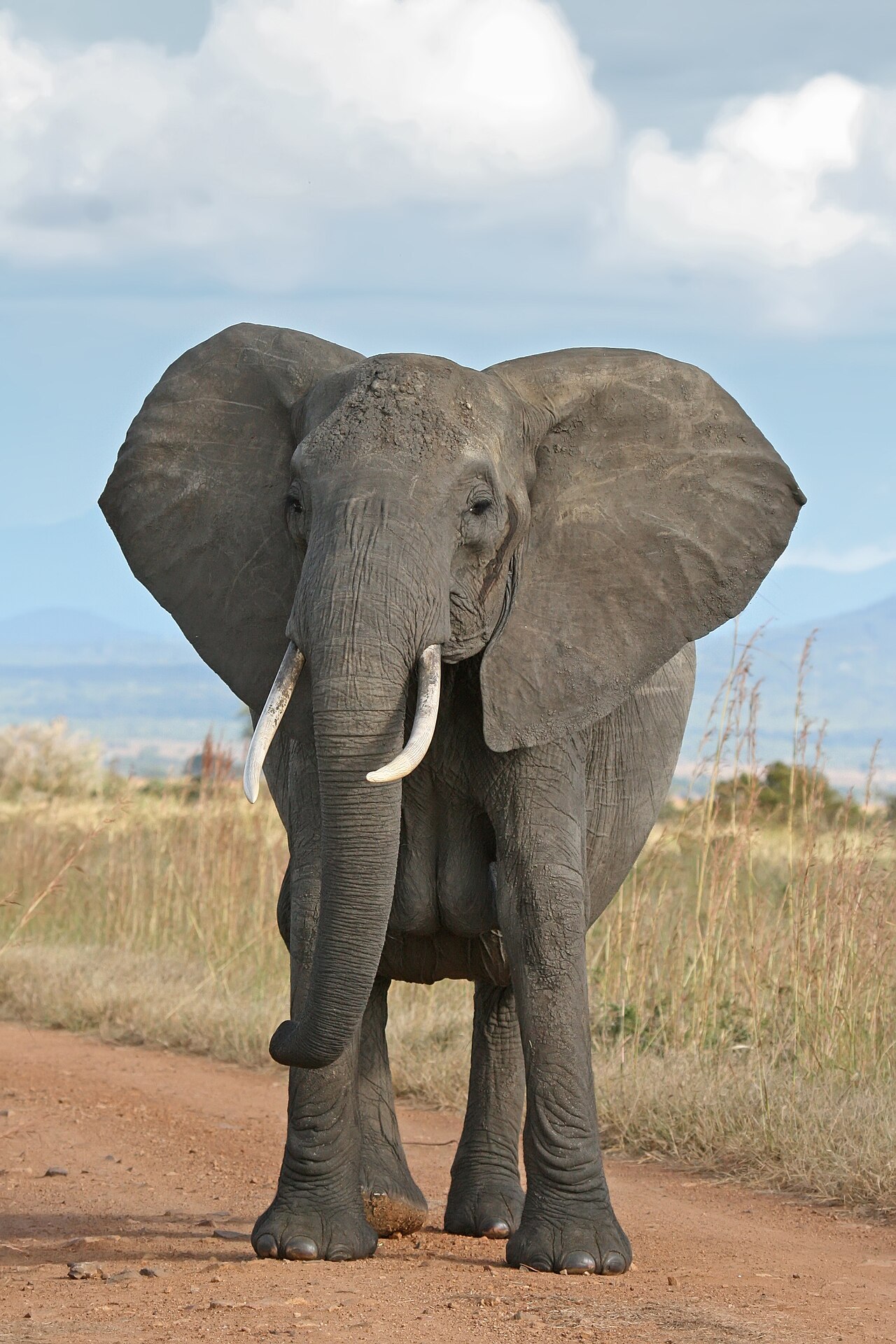
The Elephant is the team's quality control. The thinker. The one who catches what everyone else missed.
Core Needs
Elephants need accuracy. They process deeply before they act, and they need to feel confident in the data before they move forward. Quality and thoroughness matter more than speed. They want time to analyze for correctness — and ideally, they want information before a meeting rather than in it, so they can come prepared rather than react in real time.
Communication Style
Precise, thoughtful, and evidence-based. Elephants ask a lot of questions — not to create obstacles, but because they're genuinely working through the logic. They're not naturally emotive communicators and to other styles may come across as cold or critical, when they are simply being thorough. They mean what they say and say exactly what they mean, with all the detail they deem necessary.
Natural Pace
Deliberate. Elephants prefer to do things once and do them right. They can appear slow to others — particularly to Lions — but they're usually preventing the missteps and rework that faster archetypes cause. What looks like slowness is often quality control in motion.
Key Strengths
- High-quality output and exceptional attention to detail
- Excellent at risk identification and systems thinking
- Reliable and consistent under stable conditions
- The trusted source of truth in any data-heavy environment
Distress Signals
When an Elephant is under pressure, watch for:
- Going quiet and withdrawing — they process internally, not out loud
- Getting stuck in analysis paralysis when the stakes feel high
- Becoming hypercritical of others' work as a stress response
- Digging in against change when insufficient explanation is given
An Elephant in distress doesn't fight at first. They go deeper into their shell — and come out sharper, more critical, and even harder to move. Getting ahead of this is essential to help prevent them from getting stuck.
What looks like slowness is almost always quality control in motion.