Working With a Lion
Apply the Lion's profile to coaching, feedback, leadership, and collaboration.
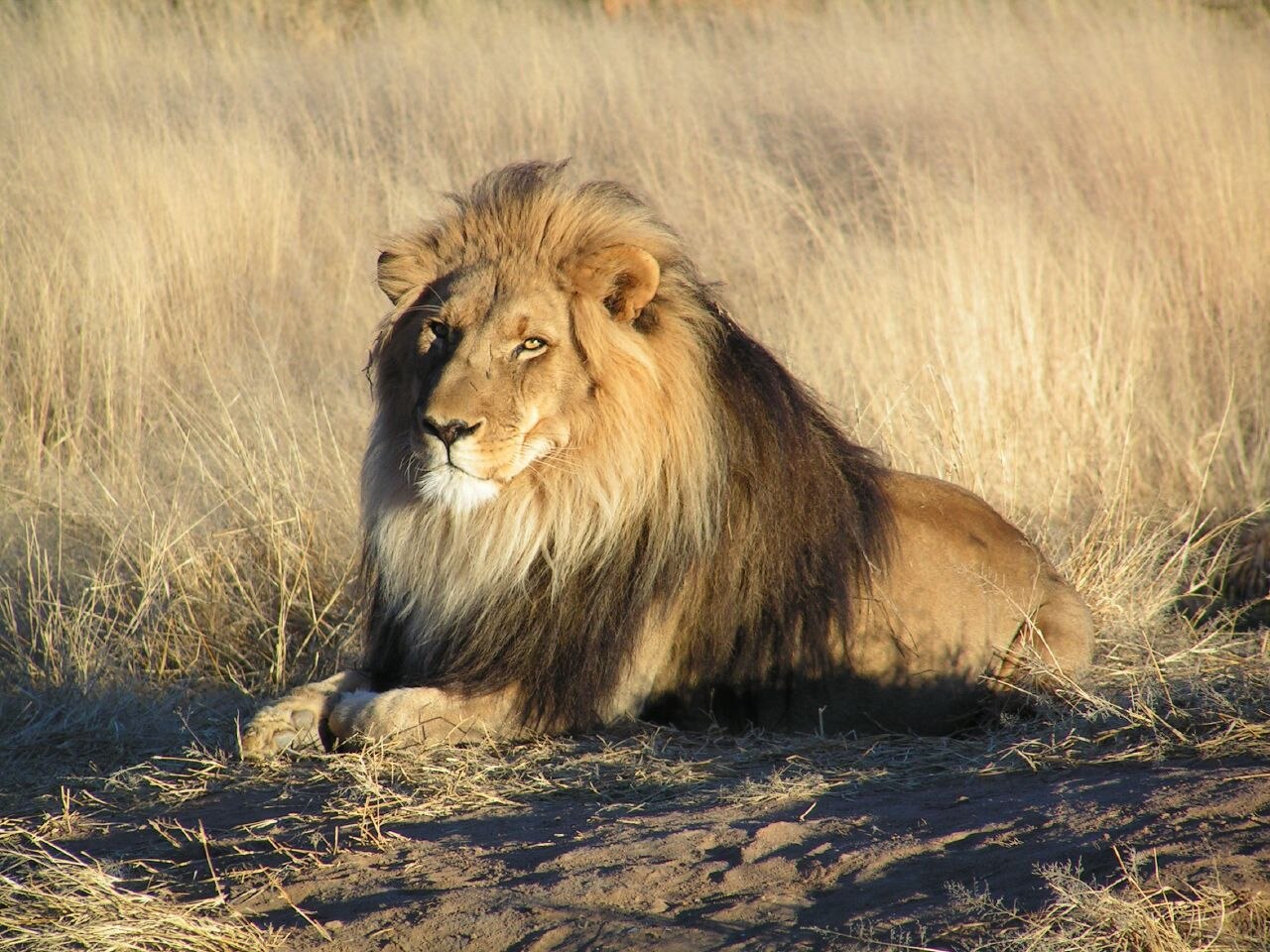
Here's the thing about Lions: they're not hard to work with once you understand what they're actually responding to.
Most of the friction that shows up around Lions isn't about personality. It's about pace and power. Lions move fast and they need to feel like they have agency. When either of those things gets blocked, that's when their behavior can feel difficult or even combative.
The good news? Once you know that, you have a lot of leverage.
What a Lion actually needs from you
Lead with the point
Lions feel respected when you don't waste their time. That doesn't mean be cold — it means be clear. Start with the outcome you're working toward, not the context you're building up to it.
Give them ownership
"Here's the result I need — how you get there is up to you" is one of the most motivating sentences you can say to a Lion. Telling them what to do AND how to do it is a recipe for resistance, even if they comply.
Push back when you mean it
Lions respect direct disagreement far more than polite redirection. If you have a concern, name it. If you're going to hold a boundary, hold it cleanly. Soft pushback reads as weakness, and they'll roll right past it.
Recognize their wins specifically
General praise lands flat for Lions. "Great job this quarter" doesn't do much. "You turned that client situation around when it looked like it was going to fall apart — that mattered" lands completely differently.
Where Lions create friction without realizing it
Lions often don't know they're doing it. They'll talk over someone without noticing. They'll decide something in a meeting and move on while half the room is still processing. They'll interpret a question as a challenge and respond accordingly.
This isn't malice. It's their natural wiring. They're moving at their natural instinctive speed and assume everyone else is keeping up.
Your job as a Zookeeper isn't to slow them down — it's to help them see how the gap between their pace and the room's pace puts their desired outcome at risk.
What to watch for in a coaching conversation
If you're coaching a Lion and you notice them getting short, leaning back, or checking the time — you've lost them. It may feel rude, but it's actually just a signal the conversation needs a different gear.
Try: "What's the outcome you need from this conversation?" and work toward it directly.
If a Lion is in distress, they'll often present as over-controlling or combative. Before responding to the behavior, ask what's underneath it. Nine times out of ten, a Lion who's gone aggressive is a Lion who feels blocked.
You'll practice this in Game 1.