The 4 Archetypes in the Same Room
Identify the most common archetype tension pairings and what high-functioning Zoo teams have in common.
You've spent time with each animal individually. Now comes the part that makes it real: what happens when they share a room.
Why teams are harder than individuals
Understanding a Lion is one thing. Understanding a Lion, an Elephant, a Lemur, and a Dolphin trying to run a planning cycle together — that's where the framework earns its keep.
Most team friction isn't about personalities clashing. It's about deeper instincts and needs that are structurally different, and nobody has a shared language to name it or training to know how to manage it well.
The Elephant who needs 48 hours to process isn't being difficult. The Lion who wants a decision by end of day isn't being pushy. They are both operating from their wiring, without a shared framework for navigating the gap. That gap is where a Zookeeper lives.
The most common tension pairings
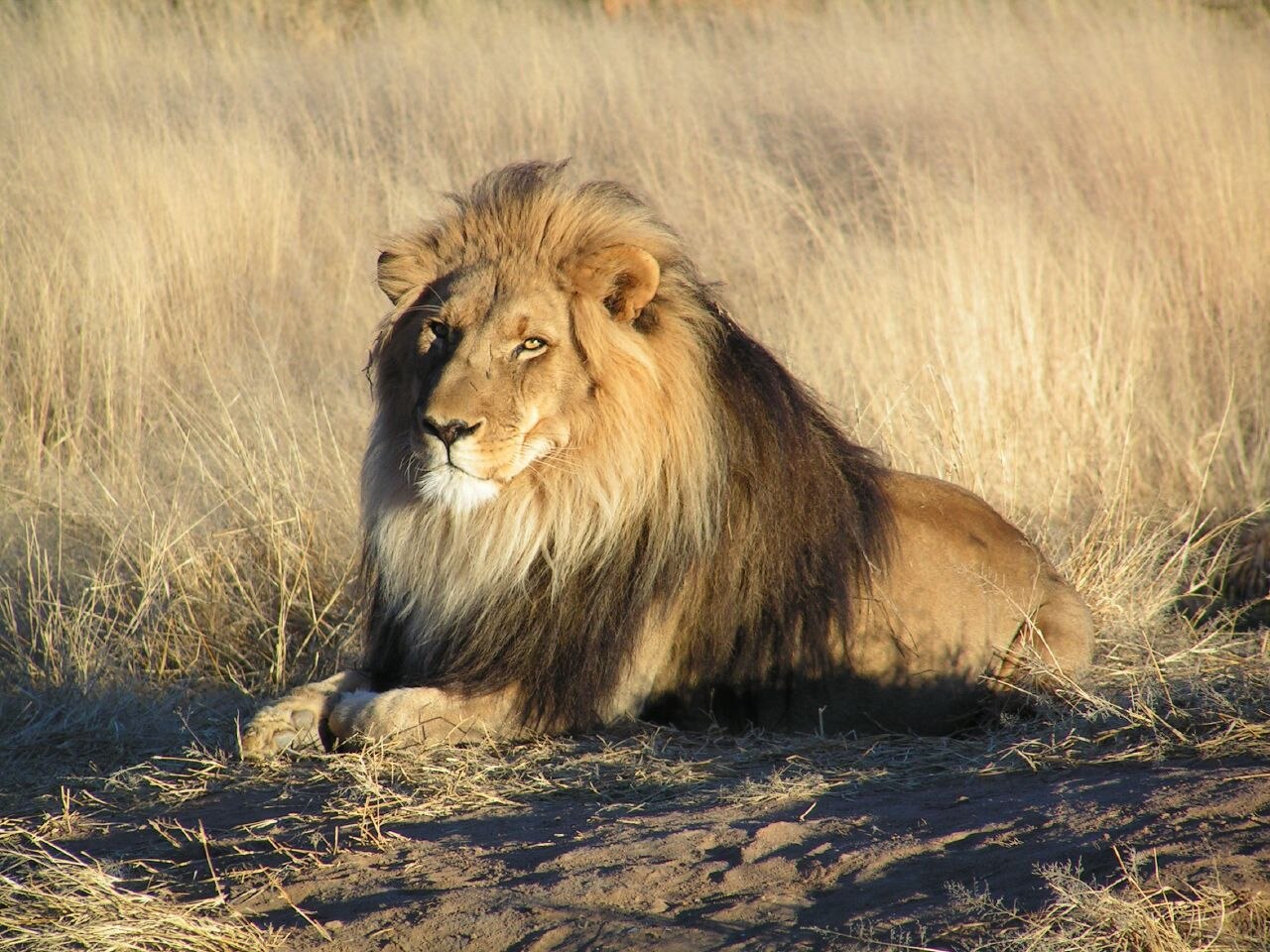
Lion + Dolphin
The Lion wants to decide and move. The Dolphin needs to understand why and feel safe before committing. Without Zookeeper awareness, the Lion wins the surface battle and the Dolphin silently disengages — still delivering, but somewhere important, no longer invested.
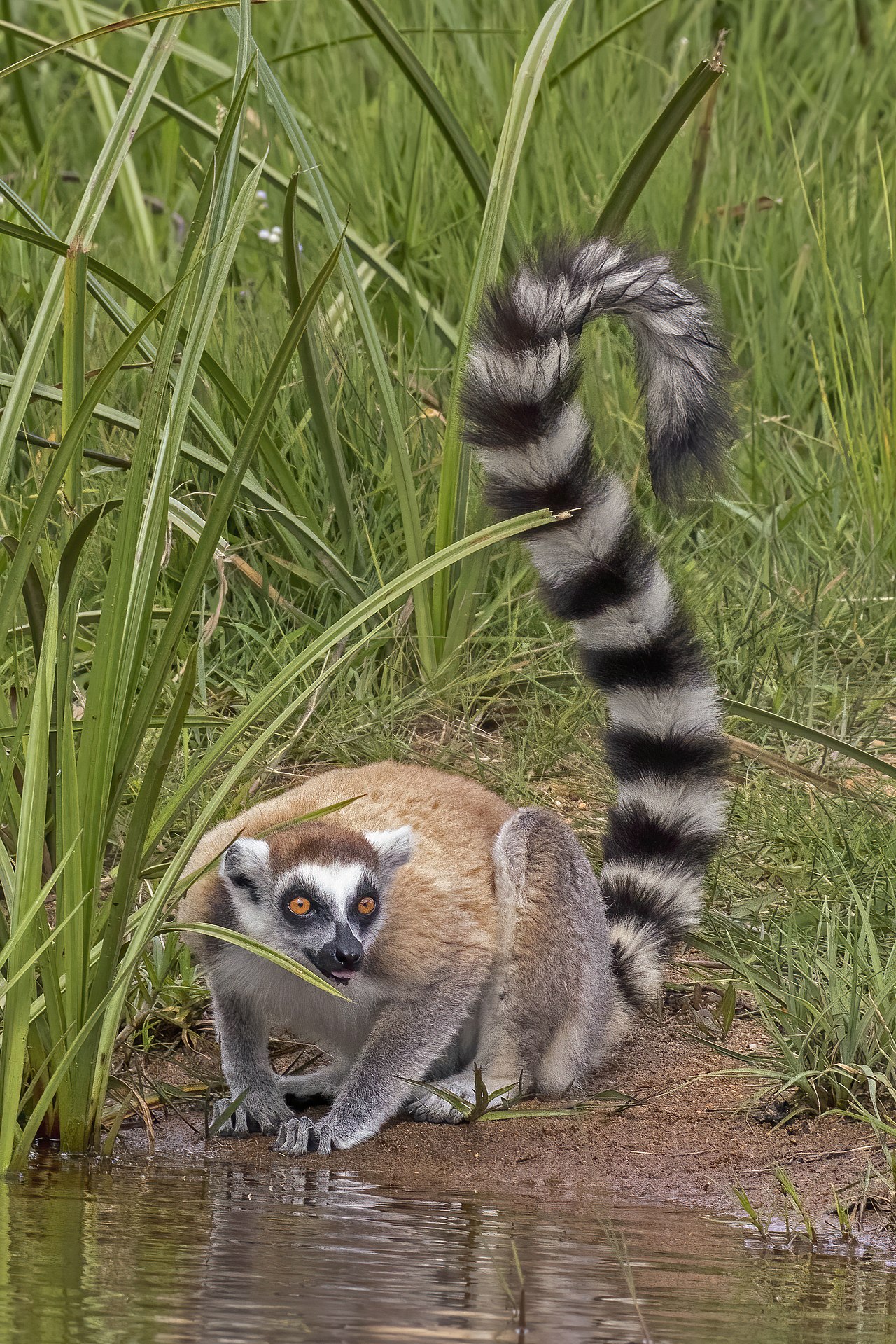
Elephant + Lemur
The Elephant wants precision and data. The Lemur wants buy-in and relationship. In a planning process, the Elephant sees the Lemur as unfocused; the Lemur sees the Elephant as cold. Their opinions and outputs often conflict even when their intentions are completely aligned.
Two Lions
Fast-moving, decisive, high-output — until they disagree. Then the friction is loud and direct. This pairing needs clear role delineation and a mediator to function without constant territorial tension.
Two Elephants
Exceptional quality, strong standards, and deep resistance to launching anything before it's perfect. Left unmanaged, this combination can permanently find a reason to stall on mutual analysis.
What high-functioning Zoo teams share
The highest-performing teams in Zoo framework research consistently share three things:
- 1Explicit shared language. They don't just know their archetypes — they use the language in real time. "I'm in Lion mode right now, bear with me" or "I need some Elephant time on this" becomes a normal part of how they work.
- 2Negotiated communication agreements. They've discussed and explicitly agreed on how they run meetings, make decisions, and handle conflict — with their archetype diversity in mind.
- 3A Zookeeper in the room. Someone on the team — or brought in from outside — is actively watching the dynamics and naming them with curiosity, not judgment, and targeted coaching.
The Four in the Wild
Real animals · real behavior · real metaphor.