The Lion — Field Guide
Accurately identify and describe the Lion archetype across five dimensions.
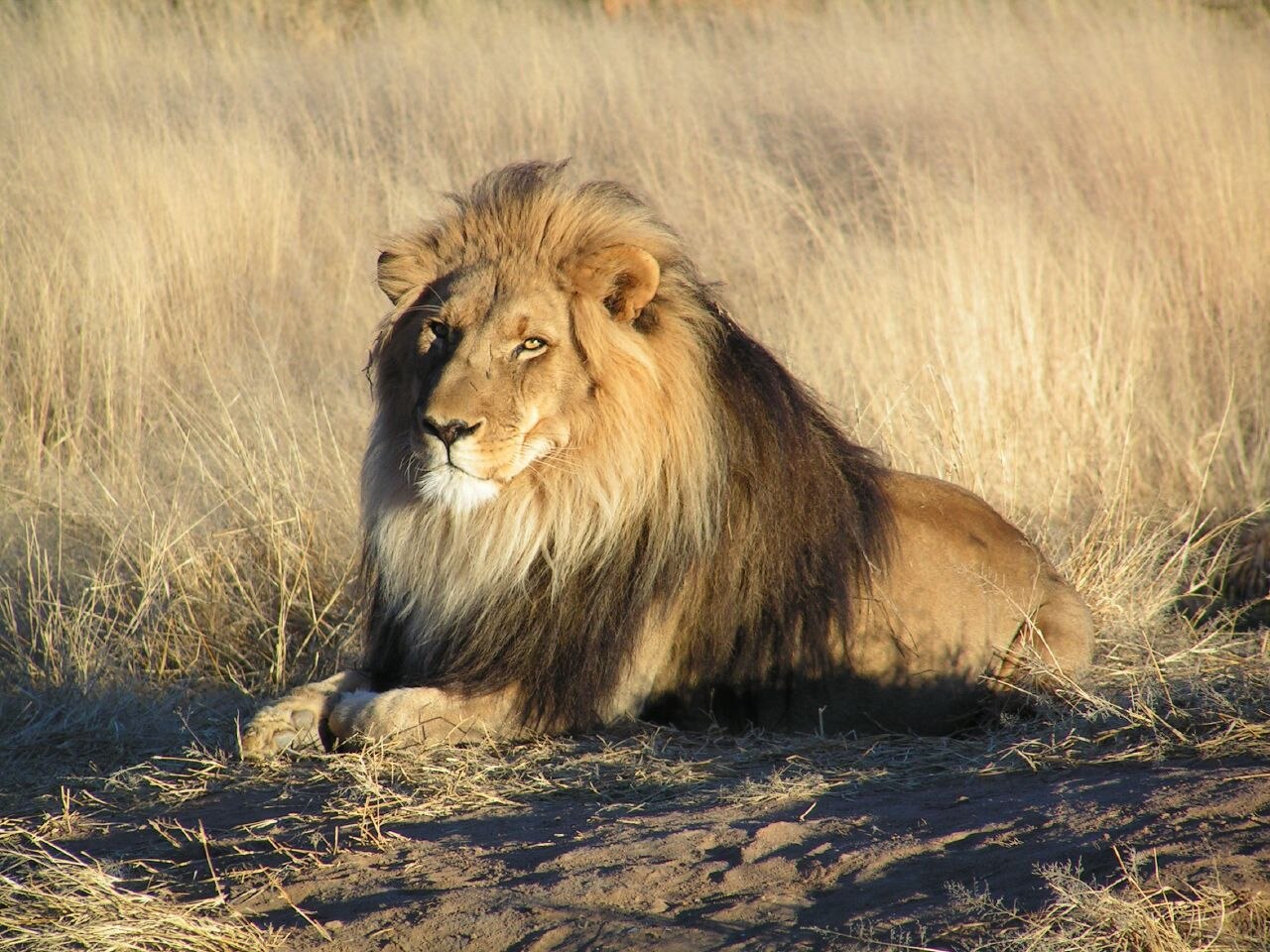
The Lion is the engine. They walk into the room already decided, already moving, already three steps ahead.
Core Needs
Lions need to be moving. They're driven by momentum, results, and the sense that progress is being made. Autonomy is essential — Lions want to own their lane and execute with minimal interference. When they're stalled, micromanaged, or stuck in process for its own sake, frustration rises fast and shows quickly. Lions have a bias for action — they'll show you their frustration before they've said a word.
Communication Style
Direct, concise, and bottom-line first. Lions don't want to hear everything — they want to hear what matters and what happens next. They respect confidence and have limited patience for hedging, lengthy preambles, or conversations that circle without landing. In conflict, they're direct to the point of bluntness — and they're often surprised when that lands hard on others.
Natural Pace
Fast. Lions make decisions quickly, move projects forward, and get genuinely uncomfortable when others need more time to process. They can inadvertently leave people behind — not out of disregard, but out of a wiring that reads slowness as blockage.
Key Strengths
- Drives results and execution like few others
- Excellent in high-stakes, fast-moving environments
- Communicates clearly when something needs to get done
- Holds teams to a standard — even when it's uncomfortable
Distress Signals
When a Lion is under pressure, watch for:
- Becoming controlling or dismissive — suddenly managing everything tightly
- Losing patience with process and cutting corners
- Getting combative when they feel blocked or undermined
- Burning out team members who can't sustain their pace
A Lion in distress doesn't get quiet. They get louder, faster, and harder to reach.
A Lion in distress doesn't get quiet. They get louder, faster, and harder to reach.